


When we enter a room, our attention often settles on the furniture first. A dining table becomes a gathering point. A sofa invites conversation. An armchair creates a quiet place to pause. Yet the feeling we carry away from a space is shaped by something far less obvious.
Before we notice an individual object, we experience the room itself.
The walls that surround us influence how light moves, how materials are perceived, and how comfortable or composed a space feels. They are not simply boundaries. They are surfaces that shape the atmosphere, support architecture, and give furniture a context in which to belong.
Walls as Spatial Instruments
The perception of space is rarely determined by dimensions alone. Surface treatments can alter how a room is experienced without changing its footprint.
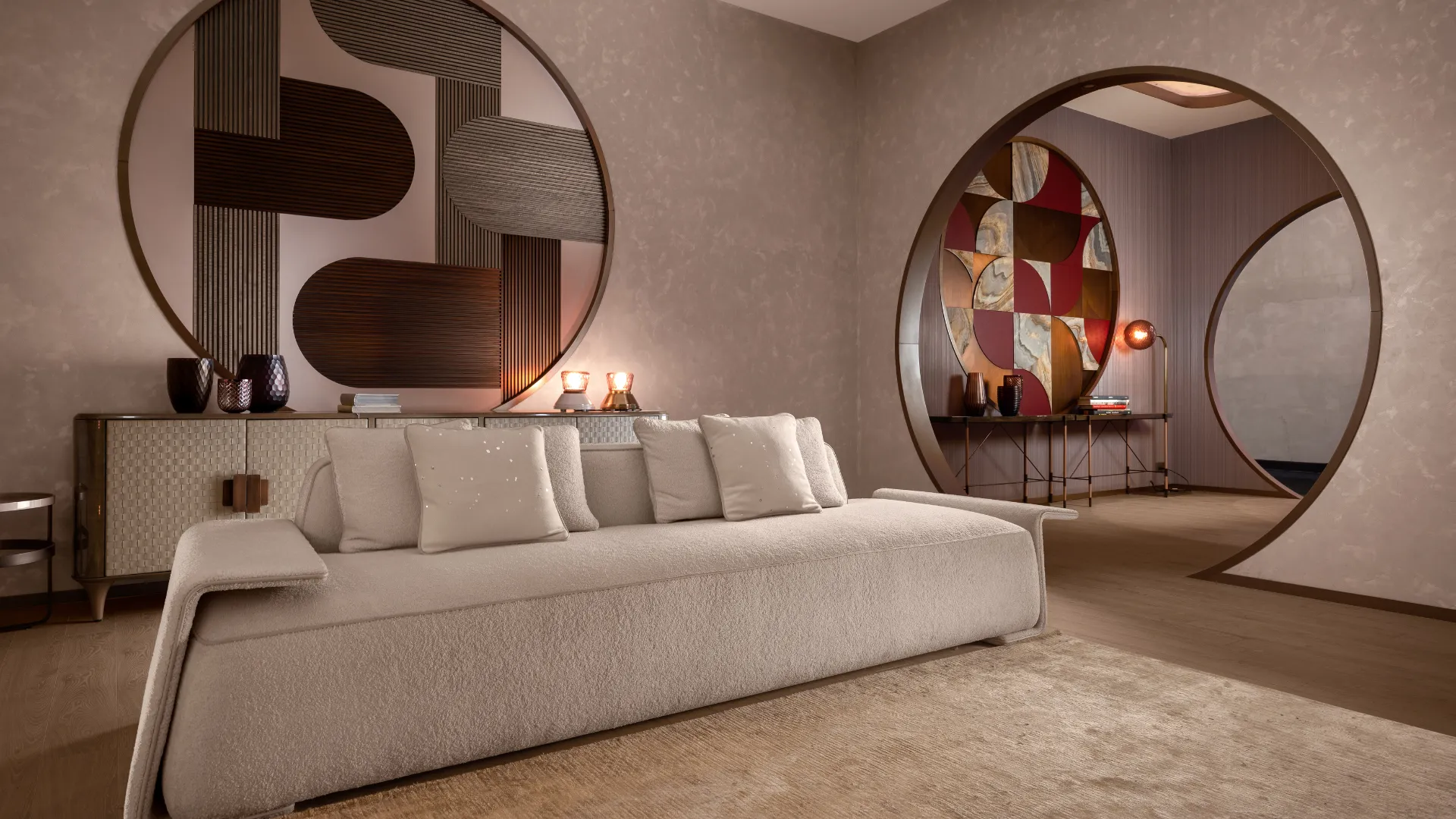
Wall panelling introduces rhythm and structure. Vertical lines can draw the eye upward, creating a greater sense of height. Horizontal detailing can encourage a room to feel wider and more grounded. Even subtle changes in depth influence how light travels across a surface, adding dimension where a flat wall may feel static.
These interventions are often quiet, yet their impact is significant. They help organise visual information, creating a sense of order that allows a space to feel settled rather than fragmented.
Well-considered walls do not compete for attention. They guide it.
The Relationship Between Architecture and Furniture
Furniture is often viewed as the defining element of an interior, but it exists within a larger architectural framework.
A beautifully crafted sofa appears different against a smooth plaster wall than it does against textured timber panelling. A dining table gains presence when framed by considered architectural detailing. The surrounding surfaces influence how furniture is perceived, often amplifying its materiality and form.
The most memorable interiors are rarely collections of standalone objects. Instead, they are compositions where architecture and furniture work together.
This relationship has long informed Diviana approach to design. Furniture is not conceived as an isolated product but as part of a broader spatial experience. Every piece is intended to exist within a carefully balanced environment where materials, proportion, and architectural detail support one another. This philosophy is reflected throughout Diviana collections, where calm, refined interiors emerge through thoughtful relationships between objects and their surroundings.
Texture, Light and Atmosphere
Few elements influence mood as effectively as texture and light.
As daylight shifts throughout the day, textured walls reveal subtle variations in shadow and tone. Natural wood grains, fabric-wrapped panels, stone surfaces, and finely detailed mouldings each respond differently to changing conditions.
These small interactions bring depth to a room without introducing visual noise.
A smooth surface may feel calm and restrained. A textured finish can create warmth and softness. Together with carefully selected furniture, these materials contribute to an atmosphere that feels considered rather than decorated.
The result is not a room that demands attention, but one that quietly rewards it.
Creating Visual Calm
Many interiors become overwhelming not because they contain too much furniture, but because there is little visual cohesion connecting the elements within them.
Thoughtfully designed wall surfaces help establish continuity. They create a backdrop that allows materials, forms, and furnishings to coexist naturally.
When walls, furniture, and architecture share a common language, the room feels easier to inhabit. The eye moves comfortably through the space. Individual pieces retain their identity while contributing to a larger whole.
This sense of visual calm is often what distinguishes interiors that feel enduring from those driven by temporary trends.
A Room Considered as a Whole
Furniture may provide function and comfort, but it is the relationship between furniture, architecture, and surfaces that gives a room its character.
Walls frame our daily experiences. They influence light, proportion, texture, and mood in ways that are often felt before they are consciously noticed. When treated with the same care as furniture, they become an essential part of the design narrative.
At Diviana, the focus has always been on creating interiors that feel harmonious rather than assembled. By considering furniture alongside materials, architectural detail, and spatial balance, each room becomes a more complete expression of how people live, gather, and experience their surroundings.


