


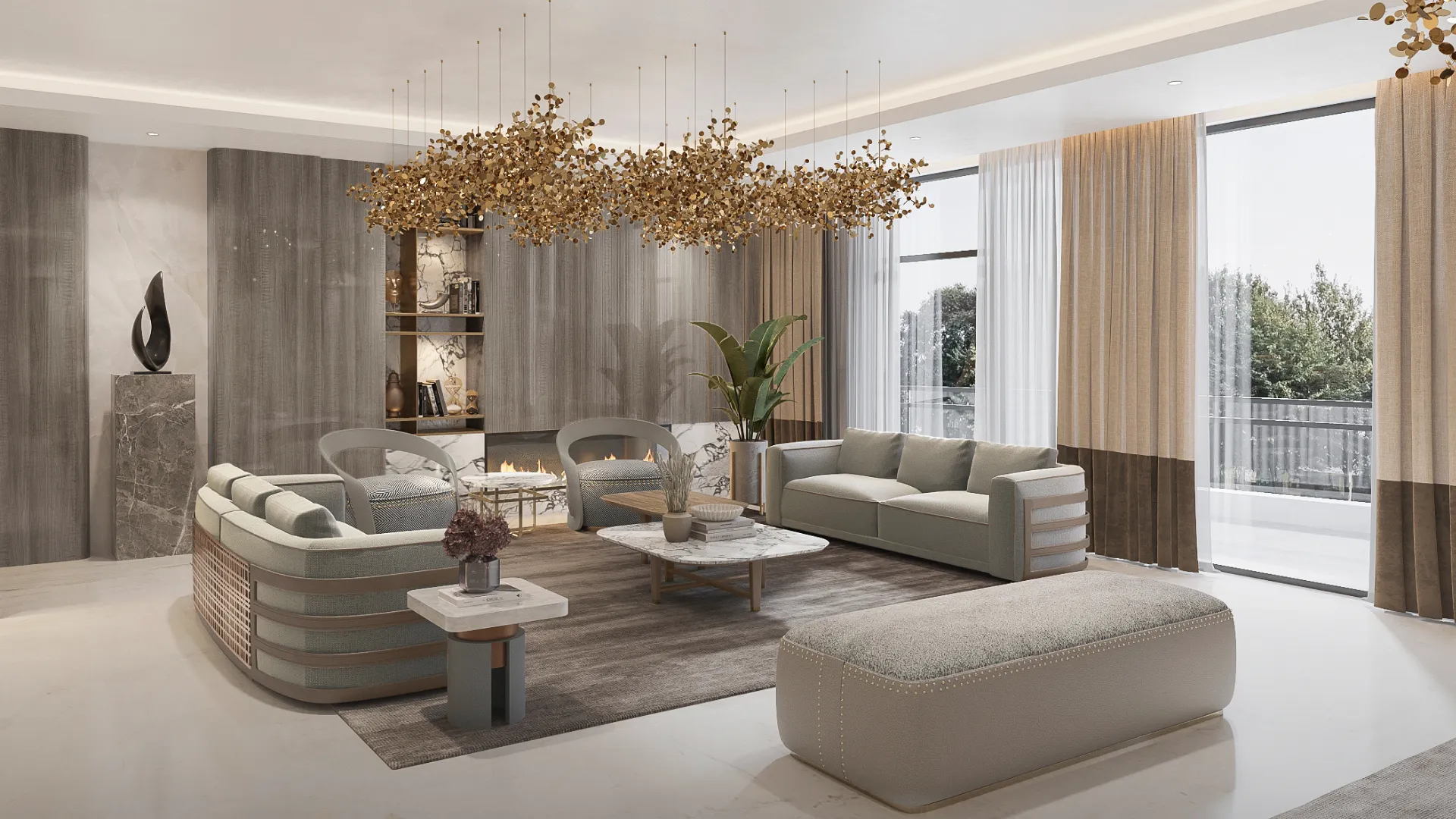
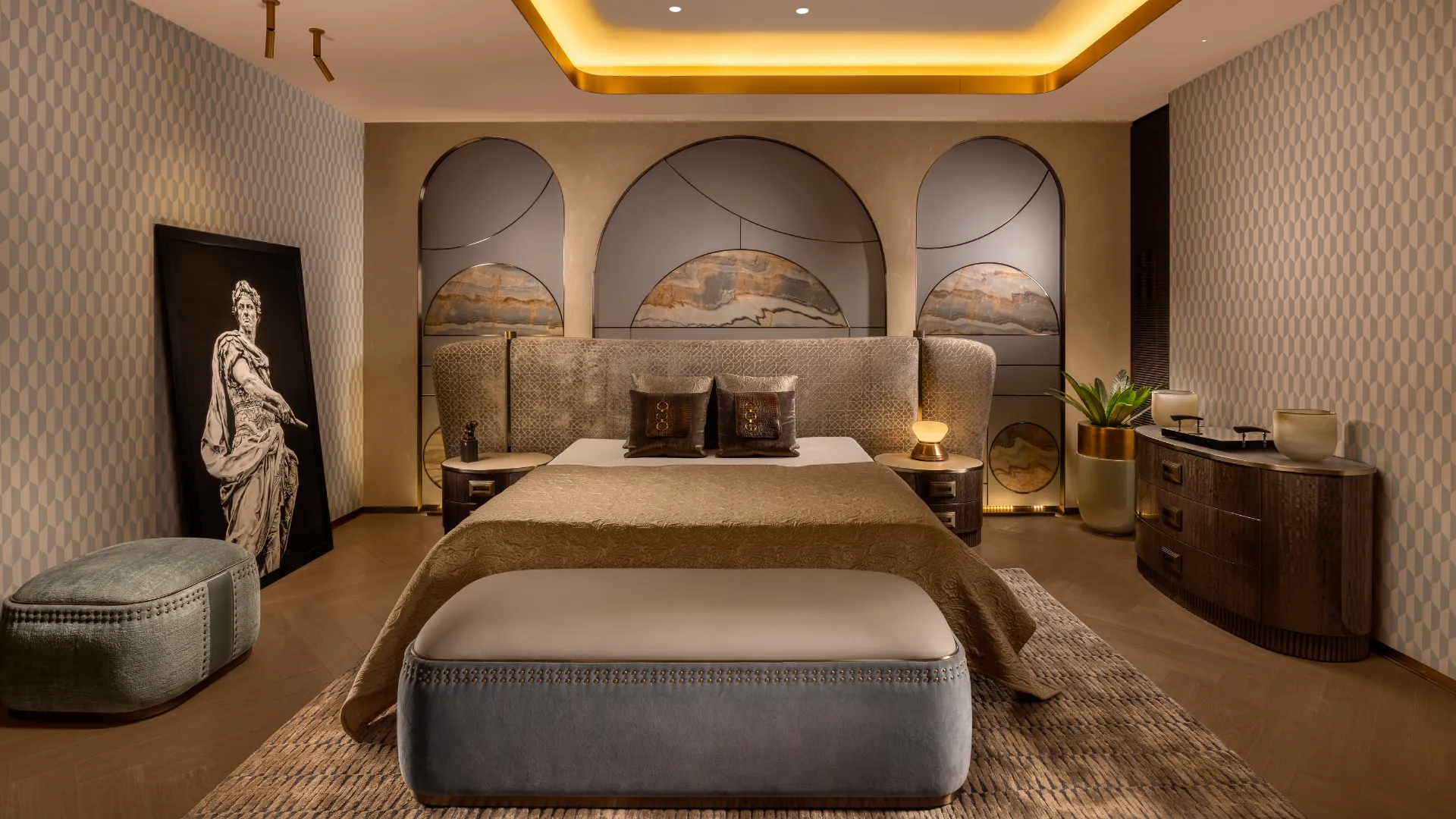
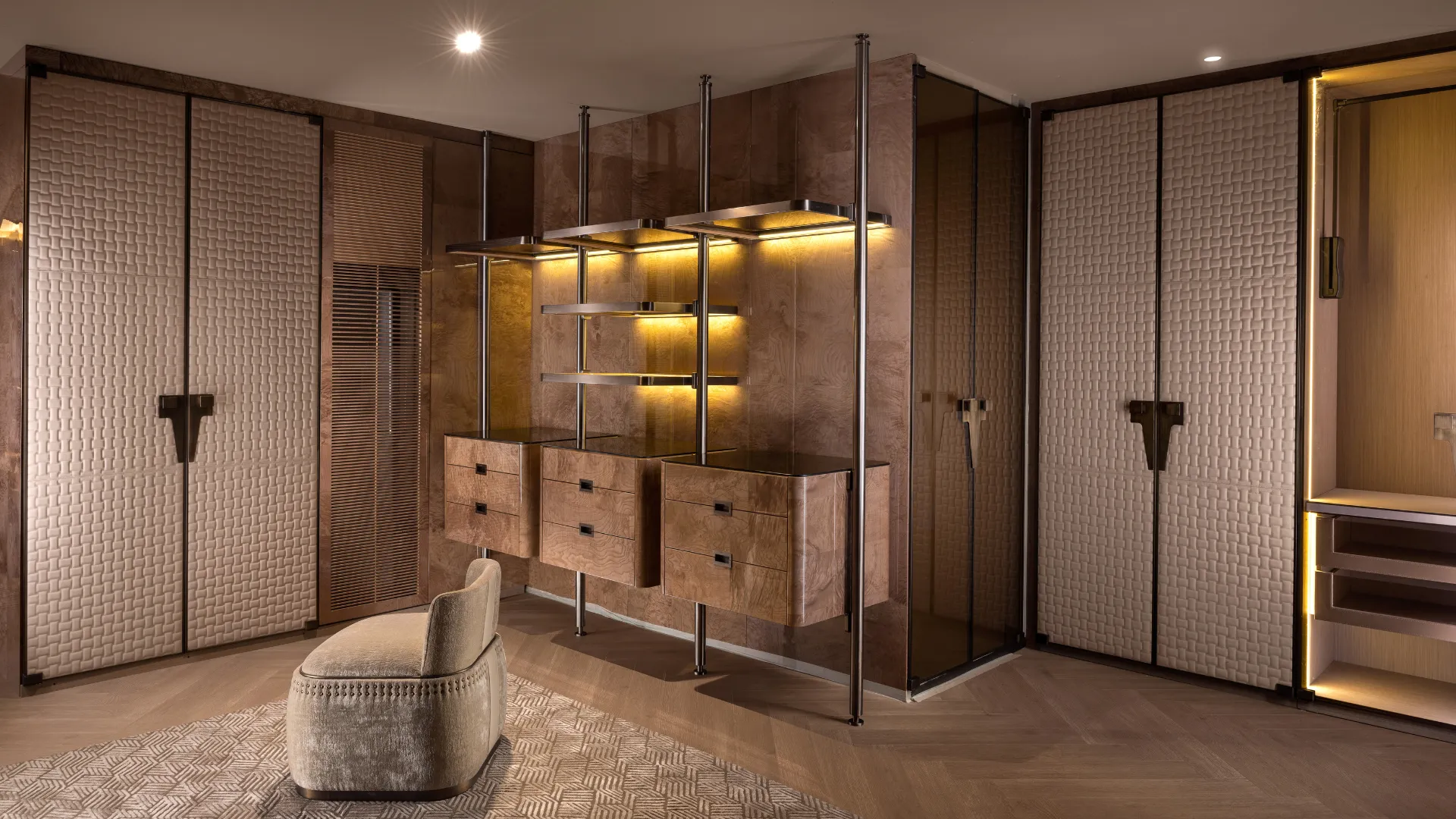
Luxury interiors are undergoing a quiet but meaningful shift. Where ornament and scale once defined prestige, today’s refined spaces are shaped by restraint, spatial intelligence, and a deeper understanding of how environments support everyday living. Luxury is no longer about visual impact alone; it is about how a space feels, functions, and endures over time.
Quietness as a Design Choice
Modern luxury increasingly leans toward quieter interiors. Clean lines, edited palettes, and composed layouts allow spaces to breathe and settle. This sense of quiet is not emptiness, but control. It reflects a deliberate move away from excess toward environments that feel calm, intentional, and emotionally grounded. Such spaces offer comfort without distraction, allowing design to support daily life rather than dominate it.
Proportion, Light, and Spatial Intelligence
Proportion has become one of the strongest indicators of refinement. When scale is considered carefully, interiors feel balanced and effortless. Lighting plays an equally critical role, shaping atmosphere and revealing depth instead of simply illuminating surfaces. Negative space, once overlooked, is now understood as a powerful design element that gives form its clarity and allows materials and objects to stand with confidence. Together, these aspects create spaces that feel thoughtful and well-resolved.
Design as an Integrated System
Contemporary luxury interiors are no longer built through isolated statements. Furniture, wall panels, and lighting now operate as a cohesive system. Wall panels establish architectural rhythm and material continuity, furniture provides structure and comfort, and lighting connects the two by enhancing texture and guiding movement. When these elements are designed in dialogue with one another, the interior gains a sense of unity and composure that feels natural rather than staged.
Longevity Over Novelty
Perhaps the most defining shift in luxury today is the emphasis on longevity. Materials are chosen for their authenticity and durability, forms are designed to remain relevant, and spaces are created to evolve with the people who inhabit them. Novelty fades quickly, but interiors rooted in clarity and material integrity continue to feel relevant over time. In this context, luxury becomes less about trend and more about permanence.
The new language of luxury interiors is subtle and assured. It values restraint over display, intelligence over ornament, and lasting relevance over momentary appeal. These are spaces designed not to impress instantly, but to remain meaningful long after the first impression.


