


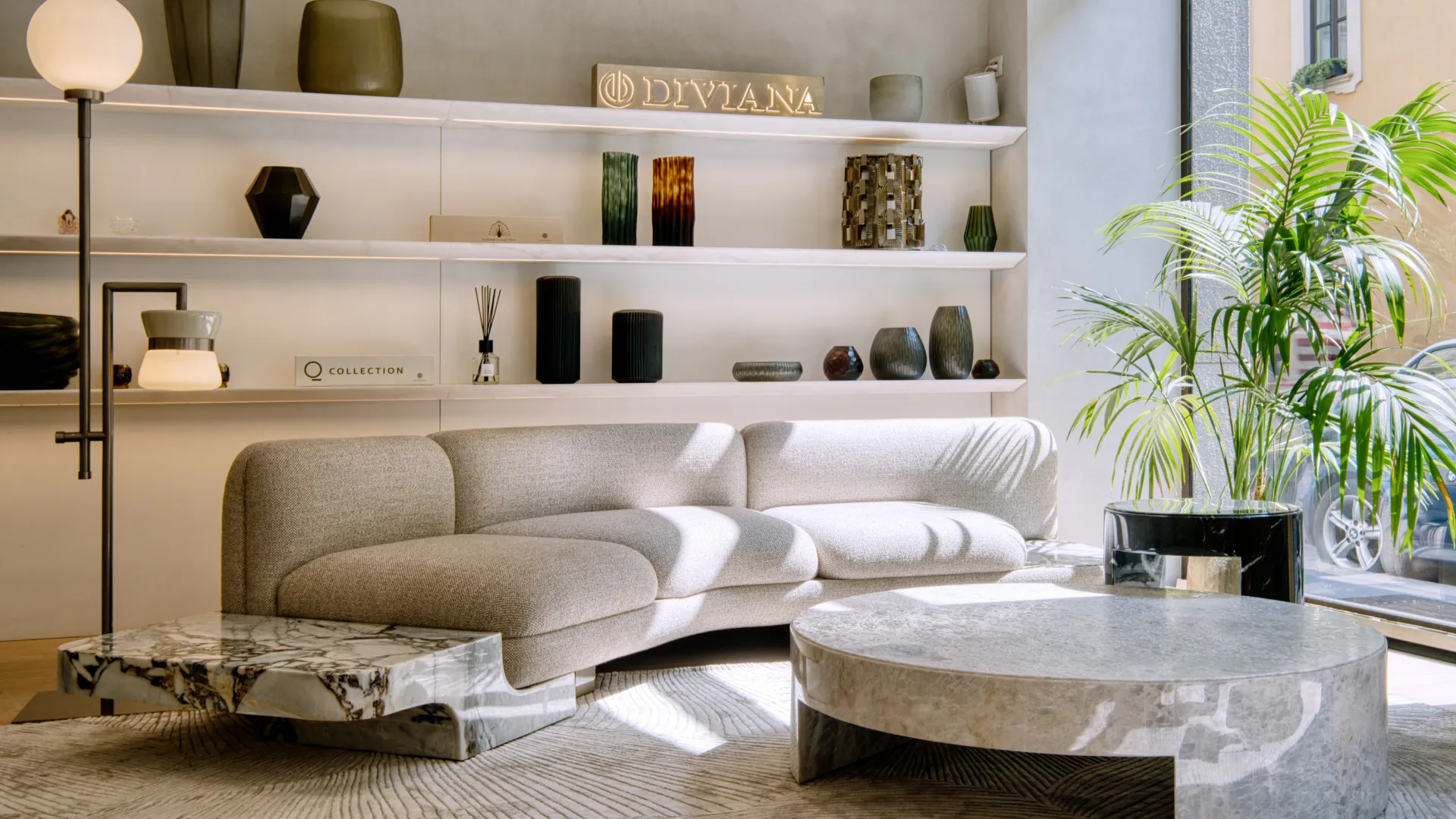
Some interiors leave an impression not because of a particular piece of furniture or a dramatic architectural gesture, but because of how the room feels as a whole.
The warmth of timber beneath the hand. The cool solidity of stone catches morning light. The softness of woven fabric against a structured form. These experiences are often subtle, yet they shape our relationship with a space more profoundly than we realise.
Texture is not simply a decorative element. It is one of the ways a room acquires depth, character, and atmosphere. Through thoughtful combinations of materials, interiors become richer, more engaging, and ultimately more personal.
The Conversation Between Materials
Every material carries its own presence.
Stone introduces a sense of permanence and quiet strength. Wood brings warmth and familiarity. Fabric softens a room, inviting comfort and human connection. Metal contributes precision, reflection, and structure.
Individually, these materials have distinct qualities. Together, they create a layered dialogue.
A timber dining table paired with upholstered seating feels balanced because each material responds to the other. A stone surface gains warmth when surrounded by tactile fabrics. Metal detailing can bring clarity and definition to softer compositions.
The success of an interior often lies not in the dominance of one material, but in the relationships created between many.
Creating Depth Without Excess
There is a common misconception that richness comes from adding more. In reality, some of the most memorable interiors achieve depth through restraint.
Layered textures allow a room to feel visually engaging without relying on numerous colours, patterns, or decorative objects. A space may be composed of a limited palette, yet still feel dynamic because of the variation found within its materials.
The grain of natural wood, the irregularity of stone, the softness of bouclé, or the subtle sheen of brushed metal each contribute a different visual rhythm.
These layers reveal themselves gradually. The room feels considered rather than crowded, offering interest without demanding attention.
The Importance of Touch
Materials are experienced not only through sight but through physical interaction.
We notice the smooth edge of a timber armrest. The reassuring weight of stone beneath a hand. The softness of fabric becomes more familiar with use.
These tactile moments create a sense of connection between people and the spaces they inhabit. Over time, materials become part of daily rituals and routines, quietly shaping how comfortable and welcoming a room feels.
The most enduring interiors acknowledge this human relationship with materiality. They are designed not only to be seen, but to be lived with.
Materials That Age With Grace
The passage of time is often overlooked in contemporary interiors.
Yet some of the most beautiful spaces are those that evolve naturally through use. Timber develops character through touch. Leather softens and gains depth. Stone acquires subtle signs of life that reflect years of occupation and care.
Material selection becomes more meaningful when longevity is considered alongside appearance. Rather than resisting age, these materials embrace it.
This approach creates interiors that feel increasingly authentic over time, carrying the traces of everyday living rather than remaining fixed in a single moment.
Contrast, Harmony and Enduring Design
Layering materials is ultimately an exercise in balance.
Contrast introduces interest. A polished metal detail against textured wood. A smooth stone surface beside woven upholstery. These differences create tension and definition.
Harmony ensures that these contrasts feel intentional rather than disconnected. Through proportion, colour, and craftsmanship, diverse materials can coexist within a unified composition.
At Diviana, this understanding of materiality sits at the centre of the design process. Furniture is conceived as part of a broader environment where textures, finishes, and architectural elements contribute to a coherent experience. This emphasis on craftsmanship, thoughtful detailing, and enduring materials reflects a belief that good design should remain relevant long after trends have passed.
Interiors That Grow Richer With Time
The most meaningful interiors are rarely defined by novelty. Their character emerges gradually through materials that respond to light, touch, and daily life.
Layered textures create spaces that feel calm yet engaging, refined yet approachable. They invite people to experience a room through more than appearance alone.
When furniture, materials, and architecture are considered together, interiors acquire a depth that cannot be achieved through decoration alone. They become environments that age gracefully, gathering richness and meaning over time. This enduring relationship between craftsmanship, material honesty, and spatial balance continues to shape Diviana's approach to design, creating spaces that remain relevant, lived-in, and deeply connected to the people who inhabit them.


